The RAIN Technique
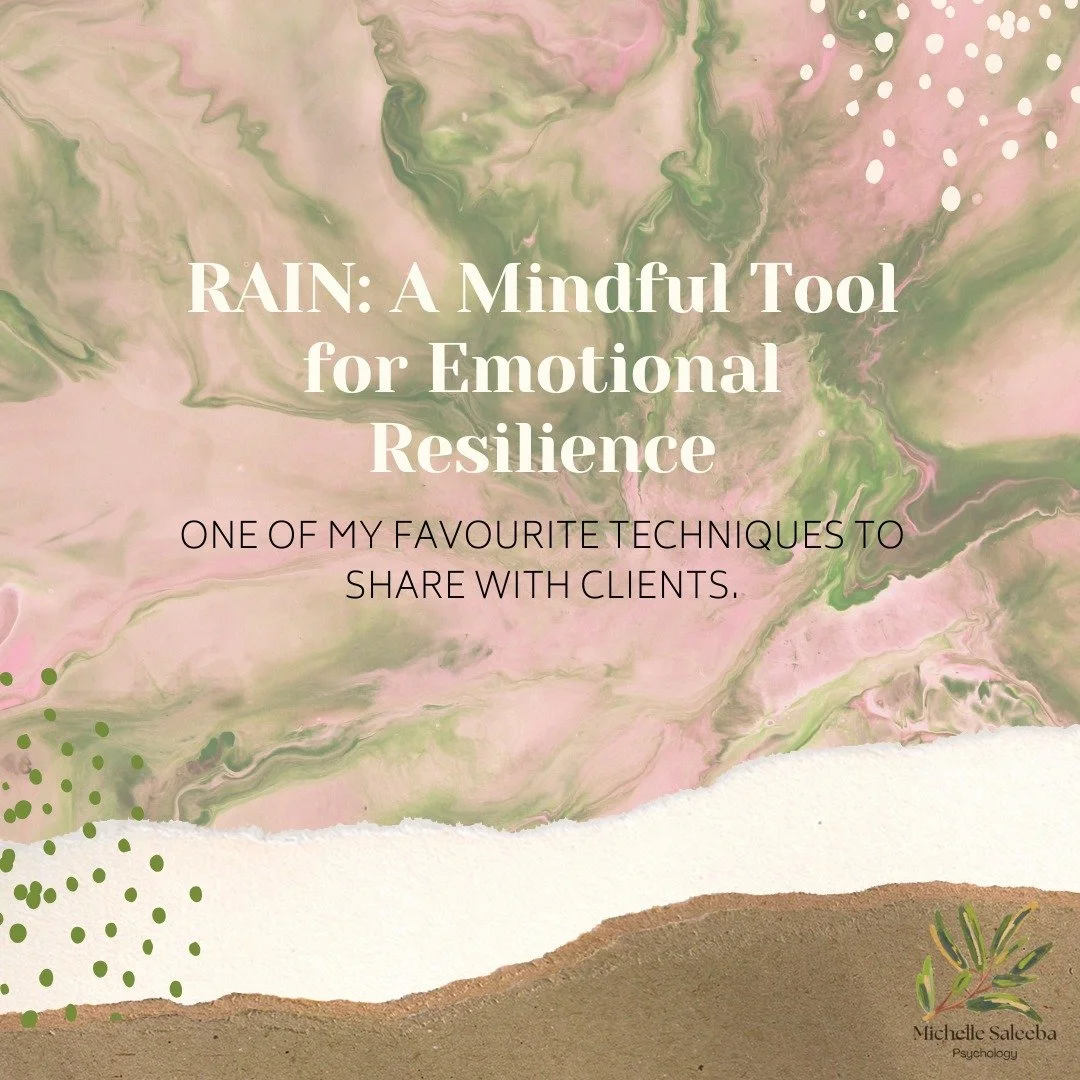
Discover the RAIN mindfulness technique - Recognise, Allow, Investigate, Nurture - and how it can help with anxiety, ADHD, BPD, and emotional overwhelm. Learn how to integrate this evidence-based, self-compassionate practice into daily life.
Rewiring the Mind
Explore current psilocybin research, integration therapy, and the role of art therapy in healing mood disorders plus ethical reflections on training.

When Shared Experience Leads the Way
Does lived experience always help in therapy, or can it sometimes get in the way?
In this new reflection, I explore the growing emphasis on shared experience between therapist and client, and ask what happens when connection is built on similarity rather than relationship.
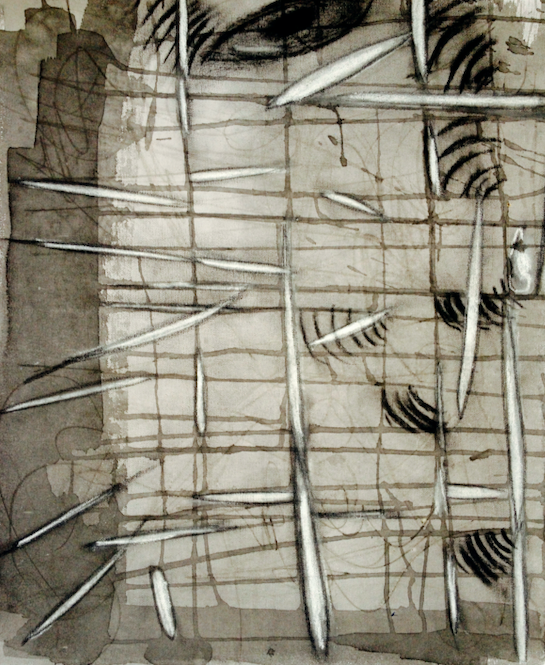
Coming Soon: Lines I Couldn’t Speak
This post introduces Lines I Couldn’t Speak, my upcoming reflective art book developed from a series of charcoal drawings made during my experience of postnatal depression. I share the context behind the work and reflect on the importance of creative expression to help make sense of difficult experiences.

Write.Process.Heal
Discover the proven benefits of expressive writing based on Dr. James Pennebaker’s research. Learn how 15 minutes a day for four days can reduce stress, calm the nervous system, and support emotional healing, clinician reflection included.
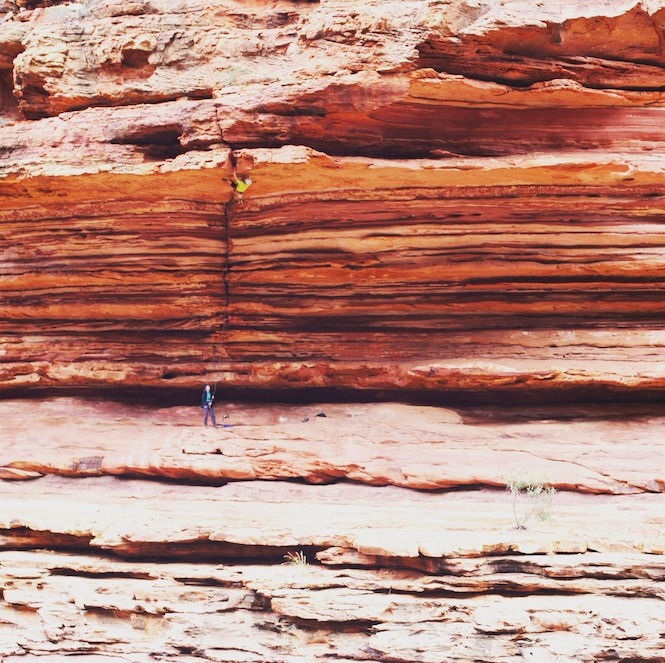
On Belay: ADHD Coaching
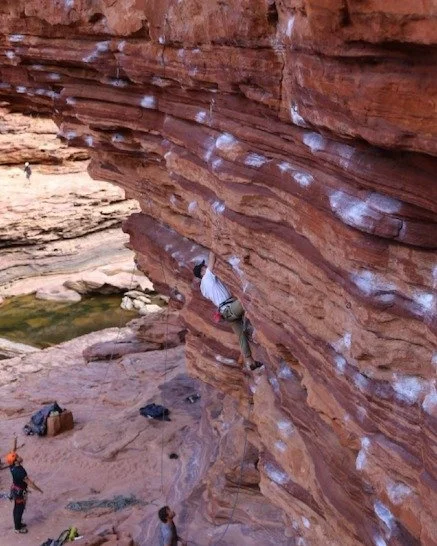
What does ADHD coaching really offer? Using a rock climbing metaphor, this post explains how coaching supports forward movement without taking over the climb. Whether you're newly diagnosed or just looking for next steps, it breaks down how coaching differs from therapy, and why the right support makes all the difference.
Professional Reflection: Mums the Word
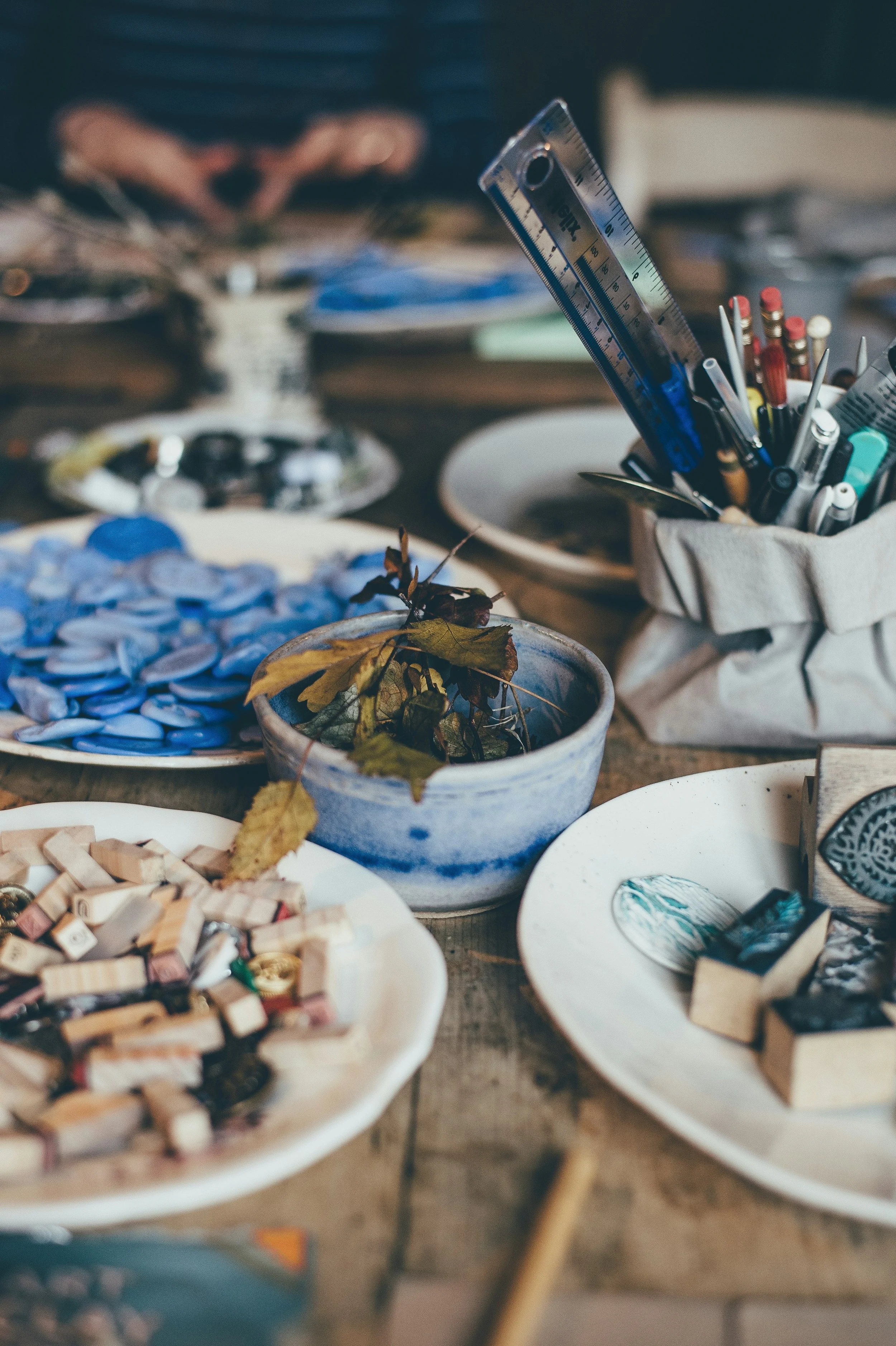
Between 2008 and 2012, I facilitated a creative support program for young mothers in Albany, Western Australia. This professional reflection explores the origins of the program, the clinical relevance of arts-based approaches for teenage parents, and how this formative experience helped shape my integrative approach to mental health practice. Drawing on current research and lived experience, the post highlights the enduring value of accessible, creative interventions in early parenting support.
Where Thought Meets Imagination
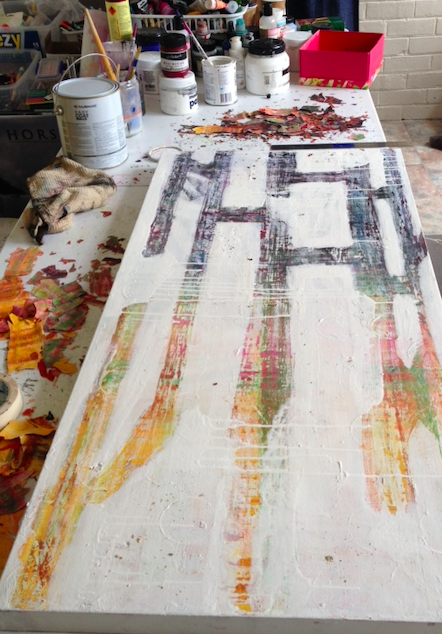
Can creativity and structured therapy coexist in psychological treatment? This article explores why cognitive and creative therapies aren’t in conflict they’re deeply complementary. Drawing on Padesky’s “old world/new world” model, dual coding theory, and decades of clinical experience, it unpacks the clinical validity of creative processes and explains how they enhance insight, regulation, and change. A thoughtful piece for clients, clinicians, and anyone curious about the therapeutic power of imagination.
Interview: Beyond the Office
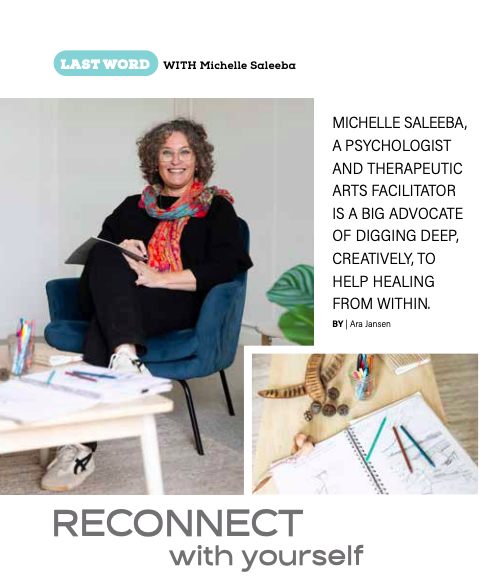
In boardrooms and corner offices across the corporate landscape, female leaders are grappling with an unprecedented convergence of complexity, pressure, and burnout. Traditional approaches to professional development and mental health support, confined to sterile meeting rooms and clinical settings, are proving inadequate for the nuanced challenges of modern leadership.
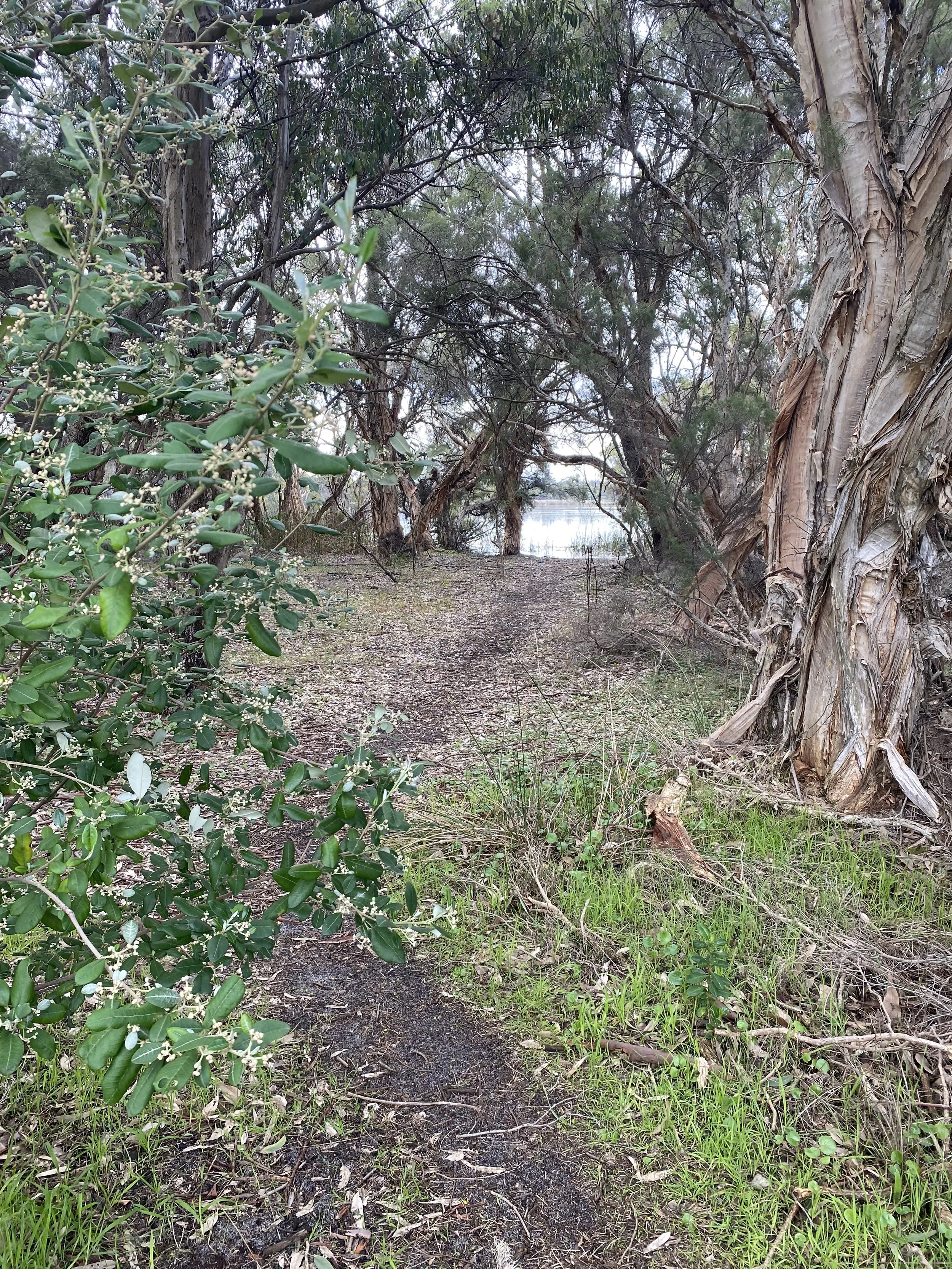
More Than Peace & Quiet.
As climate distress becomes harder to ignore, many people are feeling overwhelmed. This post explores how nature-based therapy including walking, making, and simply being can support emotional regulation, reconnect us with our biophilic instincts, and open space for grounded, meaningful action.

What Is Solution-Focused Coaching?
Learn what solution-focused coaching is, how it supports change and clarity, and why it’s a powerful alternative to therapy for professionals.
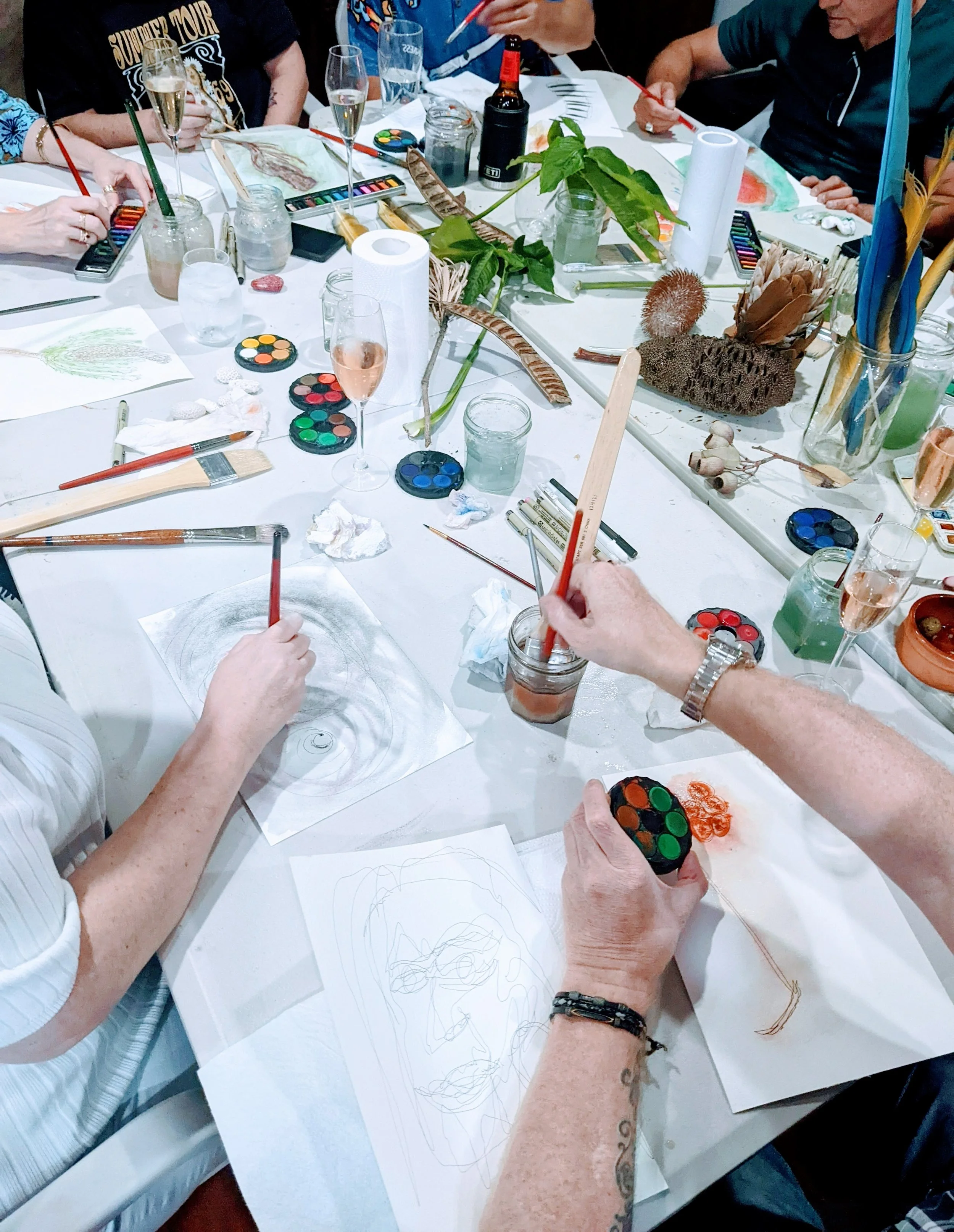
Where Art and Wellbeing Meet
Art-making and community connection have long been part of my work. In this post, I share how creative and clinical practice can quietly support one another, and what happens when we make space to slow down, reflect, and create together.
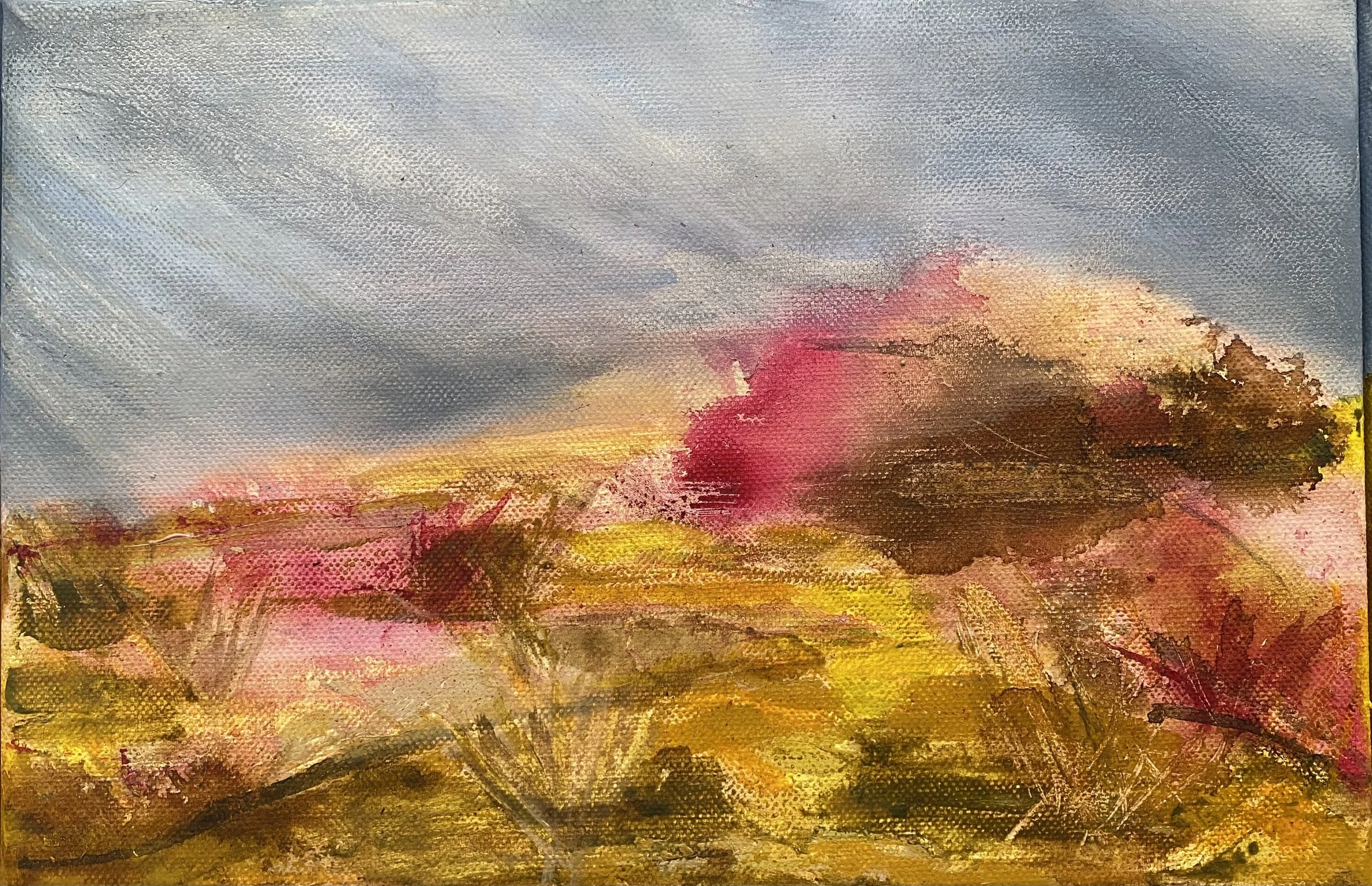
Art and Attention
Psychologist and artist Michelle Saleeba reflects on the role of walking, drawing, and creative practice in slowing down and paying attention to place.

Why Horses Help Us Heal
Explore the therapeutic benefits of equine-assisted therapy for mental health and emotional wellbeing. Access curated videos, articles, and research on our resource page.

Professional grief
Professional grief is the quiet, often unspoken response clinicians may experience after the death of a client. It doesn’t fit neatly within traditional models of grief, but it’s real and deserves space. In this reflection, I explore what it means to acknowledge this form of loss within the boundaries of therapeutic work.

Art Therapy After Ketamine Infusion
Art therapy supports emotional integration and recovery following ketamine treatment by helping individuals process altered states through creative expression. Learn how these practices can sustain wellbeing.

Art Journaling for Wellbeing
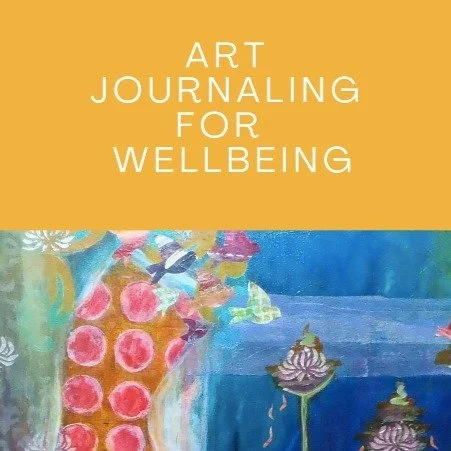
Art journaling supports mental health by encouraging creative self-expression, stress relief, and personal reflection. Download our free mini guide to start your own practice today.

Art in Schema Therapy.
Explore how visual art processes can enhance schema therapy’s experiential methods. Learn how drawing, collage, and imagery can access emotion and reshape core schemas.

Where PTSD + TBI collide.
PTSD and traumatic brain injury (TBI) often occur together in military veterans, yet treatment rarely addresses both as one. This post explores how expressive practices can support healing and why integrated care matters, especially during PTSD Awareness Month.
Instagram Feed