
Expanding the Therapeutic Toolkit
Social Prescribing, Nature Connection, and Cultural Spaces
Health systems are increasingly acknowledging what many practitioners see every day: wellbeing depends on more than clinical intervention. Social connection, routine, a sense of meaning, and engagement with environments that support psychological regulation all play central roles in recovery. Social prescribing has emerged as a structured response to this, offering non-medical pathways to support people experiencing loneliness, chronic health conditions, mental health difficulties, and complex stress.
While social prescribing often brings to mind physical activity groups, community centres, or volunteering, its potential is far broader. For many people, nature-based experiences and cultural institutions, museums, galleries, botanical spaces, heritage sites, offer valuable, accessible platforms for reconnection and identity-building. When combined, these settings can strengthen the very mechanisms that underpin human wellbeing: attention restoration, biophilic engagement, narrative meaning-making, and a sense of belonging.
Why Social Prescribing Matters
In clinical practice, we see the limits of traditional medical pathways. Clients may attend sessions, take medication, and understand psychoeducation well, yet still feel stuck. Social prescribing initiatives expand the available “routes to health” by connecting people with meaningful community activities that reinforce behaviour change outside the clinic.
The strongest evidence for social prescribing highlights:
Reduction in primary care visits
Improved mood and reduced anxiety
Increased social connection
Strengthened self-efficacy and agency
Improvements in overall health-related quality of life
For people navigating chronic stress, trauma recovery, or adjustment to new health conditions, these non-clinical supports often become the stabilising force that makes psychological therapy more effective.
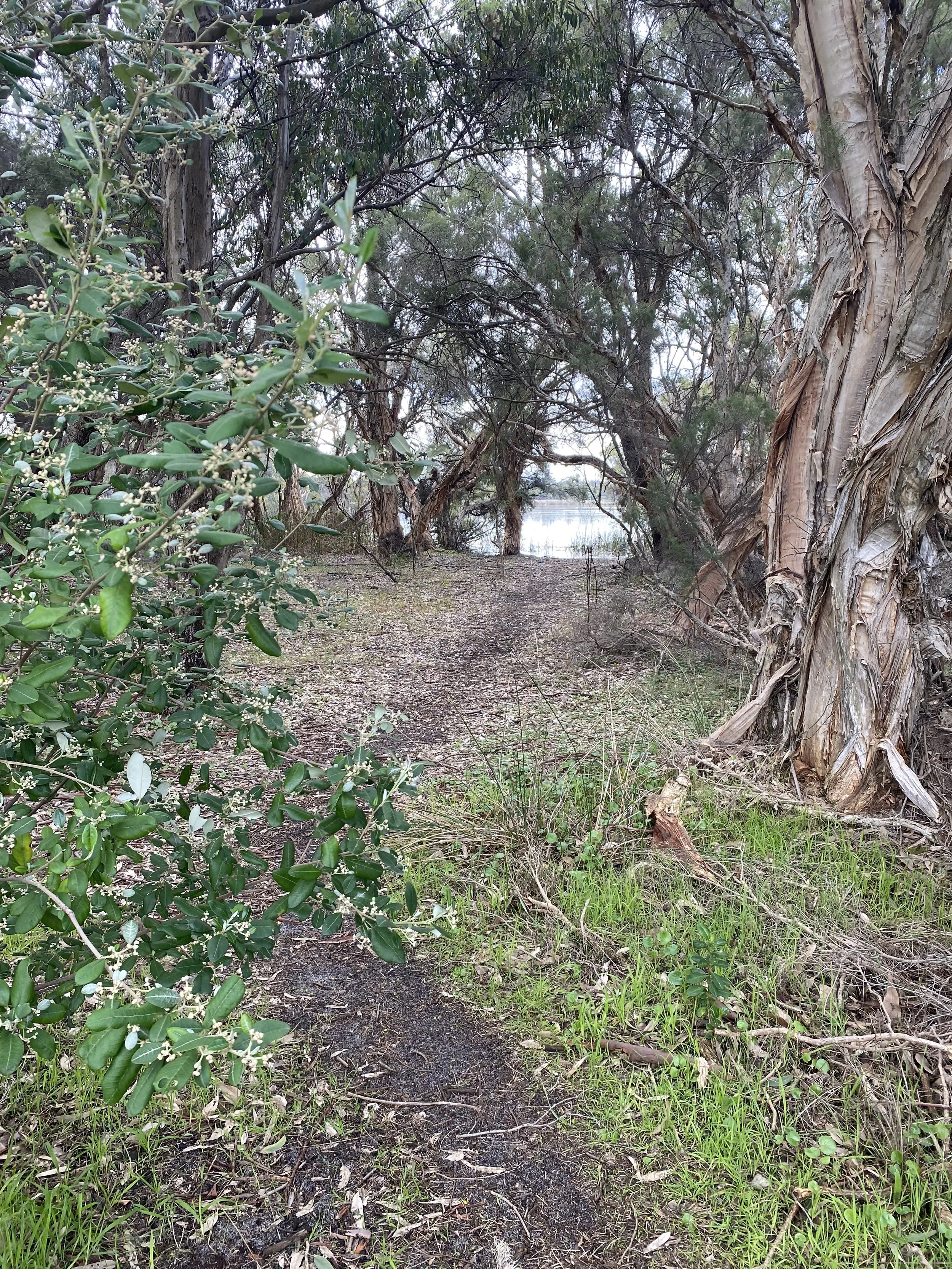
Nature Connection as a Therapeutic Mechanism
My 2021 thesis outlines a central insight: humans are evolutionarily oriented toward natural environments. This biophilic tendency affects cognitive, emotional, and behavioural processes in ways that are relevant for health interventions.
In therapeutic settings, nature connection consistently supports:
Reductions in rumination and cognitive load
Improved emotional regulation
Increased attentional flexibility
A strengthened sense of coherence and meaning
Physiological down-regulation (e.g., reductions in heart rate, blood pressure, and stress hormones)
These mechanisms explain why my walk-and-talk sessions, green prescribing models, and outdoor creative practices resonate so strongly with clients. Nature acts as a co-facilitator: a regulatory backdrop that supports cognitive processing and engagement.
Under-Recognised Health Assets
Cultural institutions are increasingly recognised as legitimate partners in public health. Museums and galleries provide something unique: environments that combine cognitive stimulation, emotional resonance, sensory engagement, and opportunities for learning without performance pressure.
The research supports their role in wellbeing:
Slow looking decreases sympathetic nervous system arousal
Engagement with artworks enhances emotional processing
Collective cultural spaces reduce social isolation
Participatory programs build mastery and identity
Curated spaces provide psychological containment the safety required for exploratory thinking
Unlike many wellbeing interventions, museums and galleries offer low-barrier, non-stigmatising access. People attend them as community members, not as patients.
The Overlap
When social prescribing frameworks integrate nature connection and cultural spaces, several therapeutic mechanisms converge:
1. Attention restoration
Green environments reduce cognitive fatigue; art spaces slow and deepen attention. This combination supports the executive functioning required for behaviour change, emotional insight, and resilience in everyday stress.
2. Biophilic engagement in cultural settings
Museums and galleries increasingly incorporate botanical installations, natural materials, and exhibitions centred on ecological themes. This echoes the thesis findings: cueing biophilia enhances emotional engagement and can shift behavioural tendencies, including pro-health and pro-environmental actions.
3. Narrative reconstruction
Both nature and art help people make sense of experiences in a non-threatening way. This is valuable in trauma-informed work, depression recovery, and identity transitions.
4. Access and equity
Nature and cultural institutions can be integrated into care without requiring high cost. For clients who cannot access private health programs, these models provide genuine pathways to wellbeing.
5. Community embeddedness
Social prescribing seeks to weave health back into everyday life. Parks, galleries, museums, and gardens are natural anchors for this kind of integration.
Practical Pathways for Implementation
Based on Australian and international models, there are several workable avenues for integrating these approaches into clinical practice and community programs:
1. Green Walk-and-Make Sessions
Combine guided reflection with low-mess creative tasks in outdoor settings. These sessions build self-efficacy, attentional control, and positive affect. Read more here
2. Museum-Based Wellbeing Programs
Structured sessions using slow looking, reflective prompts, and low-pressure creative responses. Suitable for mood and anxiety groups, recovery programs, and community partnerships.
3. Nature–Culture Prescribing Pathways
A referral option that blends:
guided nature walks
museum/galleries visits
creative processing (journalling, drawing, photo assignments)
This can be scaffolded similar to an 8–10-week group therapy model.
4. Professional Development for Cultural Institutions
Training gallery and museum staff in psychological safety, trauma-informed practice, and inclusive facilitation methods to support social prescribing partnerships.
5. Partnerships with Local Museums/Galleries
Hospitals, mental health services, and not-for-profits can formalise agreements with cultural institutions to deliver programs for specific populations.
A Systems-Level Perspective
The challenges we face, climate anxiety, chronic stress, loneliness, and reduced access to care, require health systems to broaden their scope. Nature-based prescribing addresses physiological and psychological regulation; cultural prescribing addresses meaning-making, social identity, and community cohesion.
Together, they offer a robust, evidence-informed pathway that aligns with contemporary public health goals and the wellbeing economy movement.
Where to From Here?
My own work sits at the intersection of these fields: psychology, creative practice, nature connection, and community arts. Across clinical sessions, group programs, and community initiatives, I see the same pattern emerge, people thrive when given structured, meaningful ways to connect with their environment and with each other.
Social prescribing gives clinicians and communities a framework to elevate these experiences from “nice extras” to legitimate health interventions.
Nature and cultural spaces provide the environments where that work becomes possible.
References & Further Reading:
Alderman, N., Woolf, M., & Richardson, C. (2020). Social prescribing and community-based health. Journal of Public Health, 42(4), 698–705.
Kaplan, S. (1995). The restorative benefits of nature: Toward an integrative framework. Journal of Environmental Psychology, 15(3), 169–182.
Museum Health & Wellbeing Alliance. (2021). Museums as health spaces: Evidence review. UK Museums Association.
Ulrich, R. (1984). View through a window may influence recovery from surgery. Science, 224(4647), 420–421.
Van den Berg, A. E., & Beute, F. (2021). Nature prescriptions in mental health care: A review of mechanisms and outcomes. Health & Place, 68, 102533.